
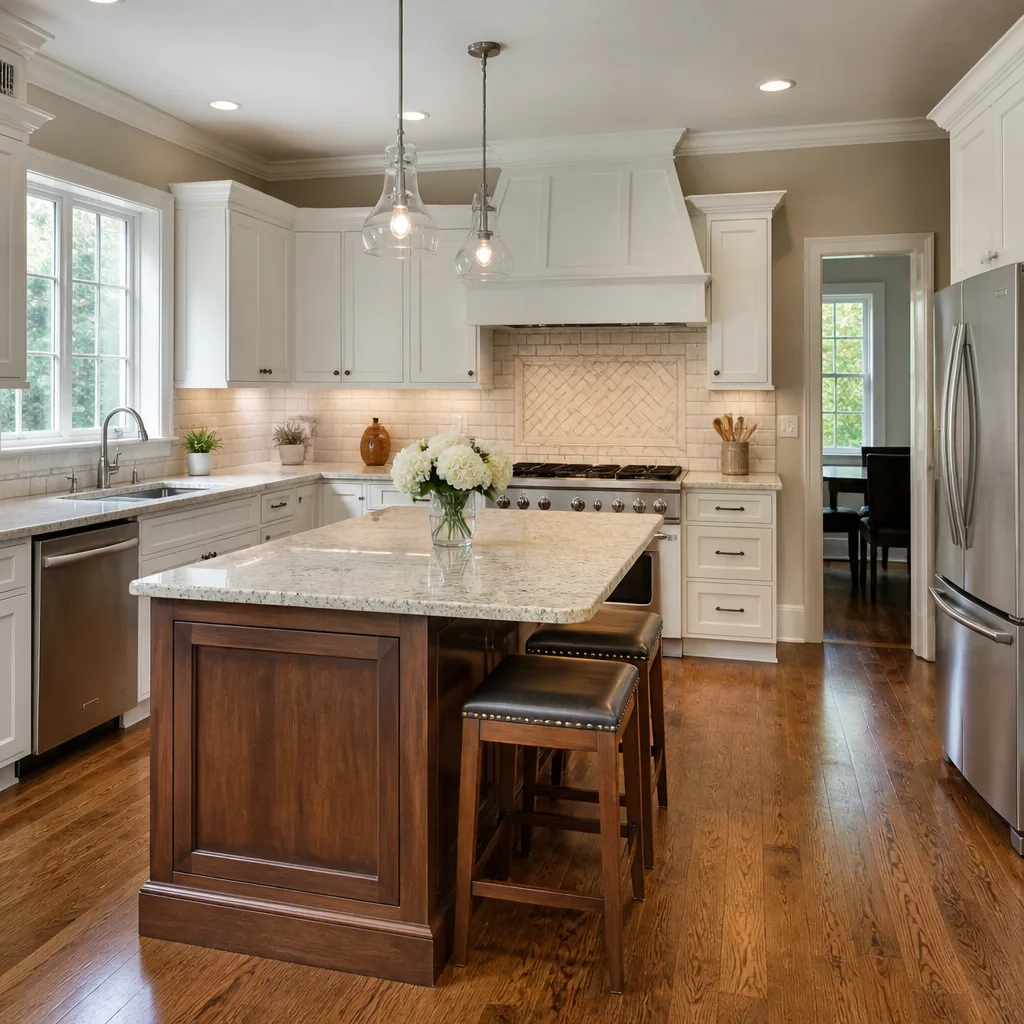
 Kitchen remodeling
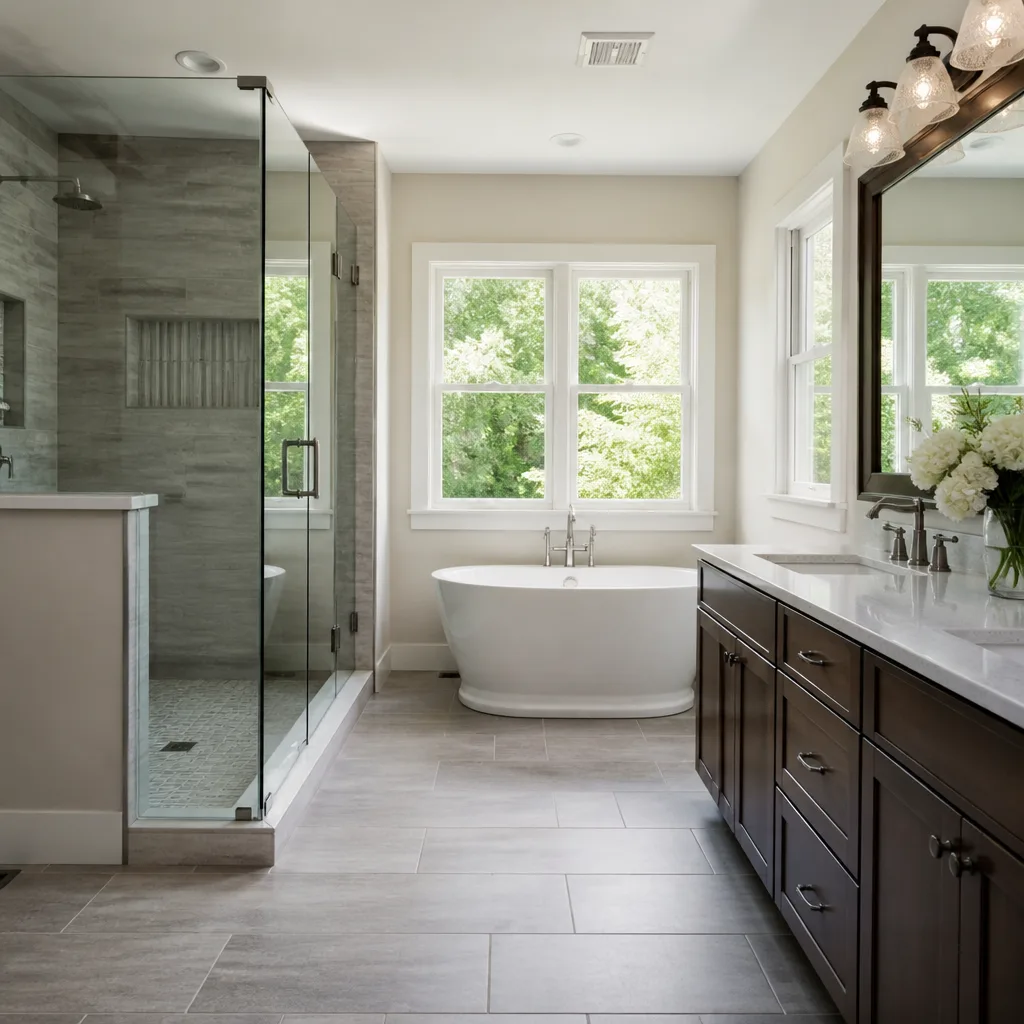 Bathroom remodeling
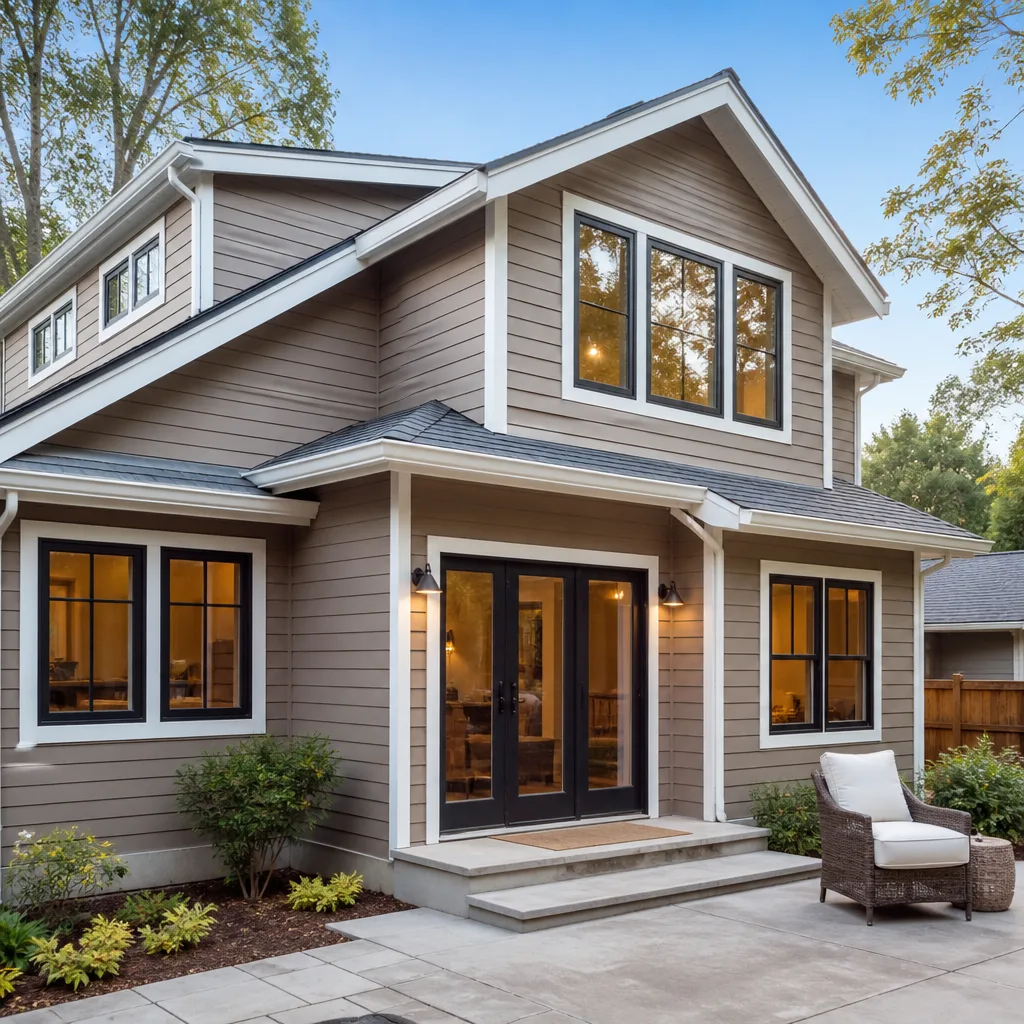 Home additions & ADU
 Roofing
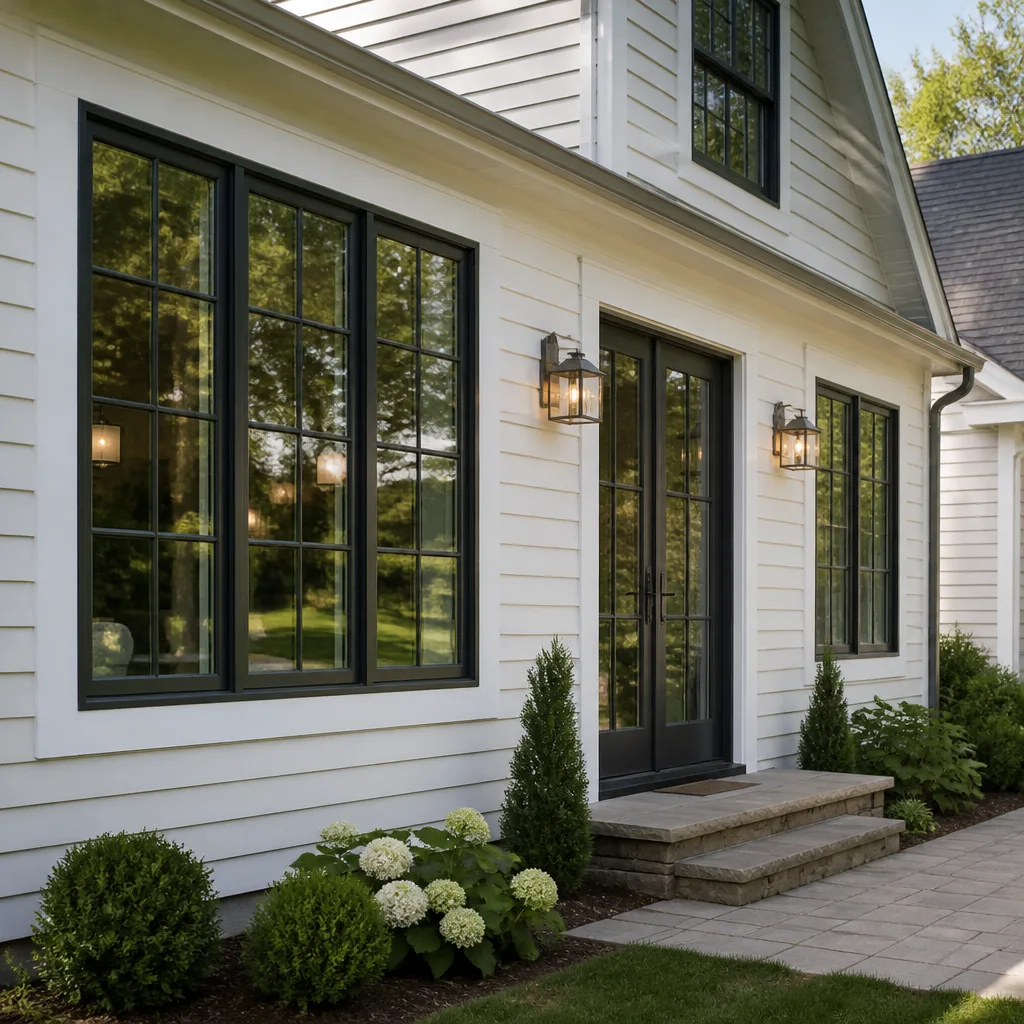 Windows & doors
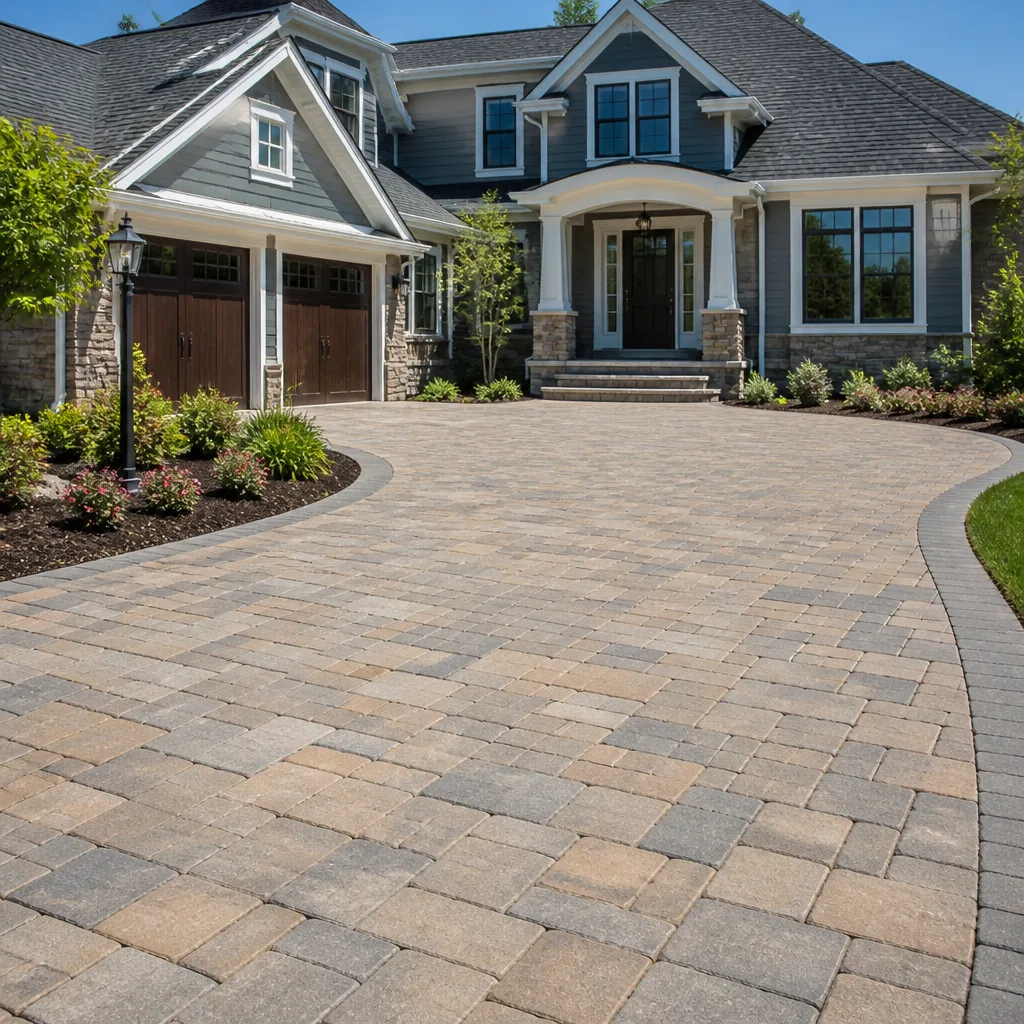 Driveway & pavers
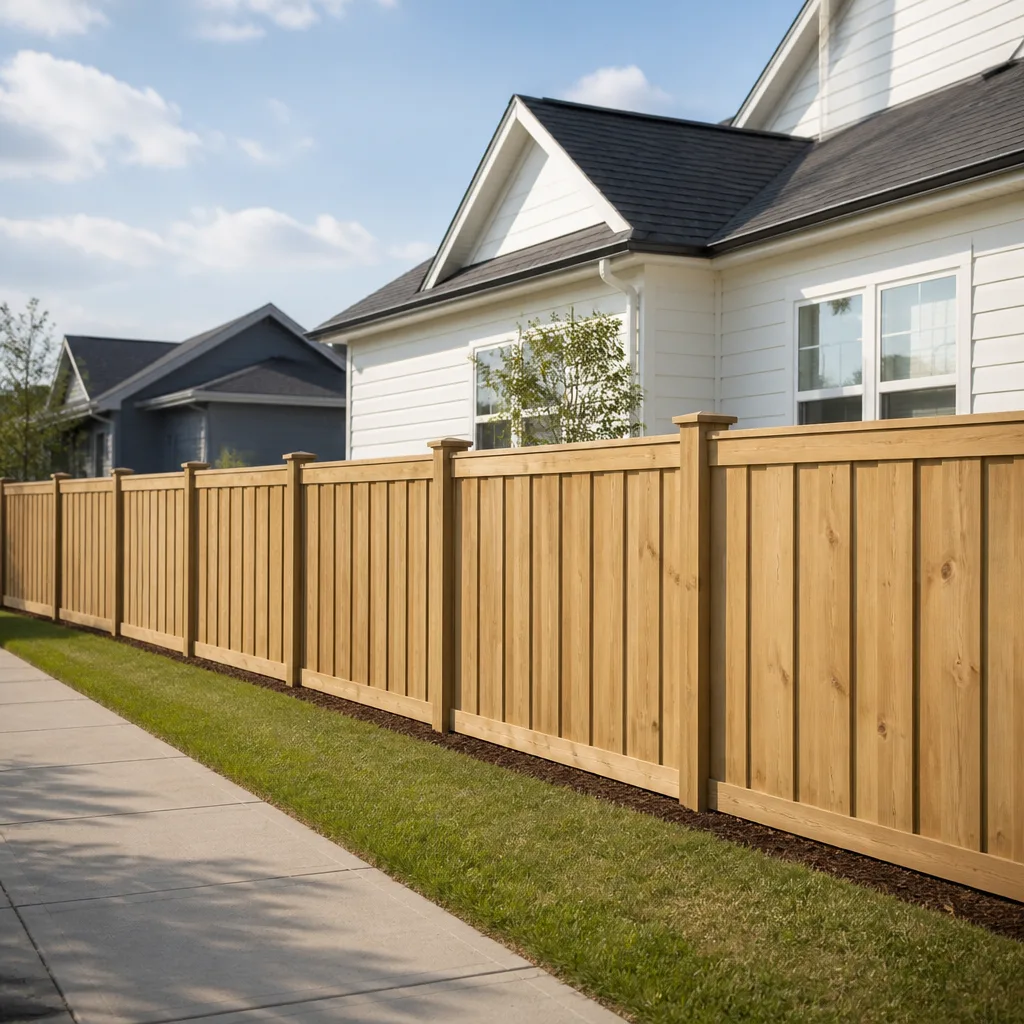 Fence
Free written scope consultation - allowances, timeline, and change-order rules on paper before a single trade is scheduled
Styles & brands we work with
- Kitchen remodeling
- Bathroom remodeling
- Home additions & ADU
- Roofing
- Windows & doors
- Driveway & pavers
- Fence
See the difference
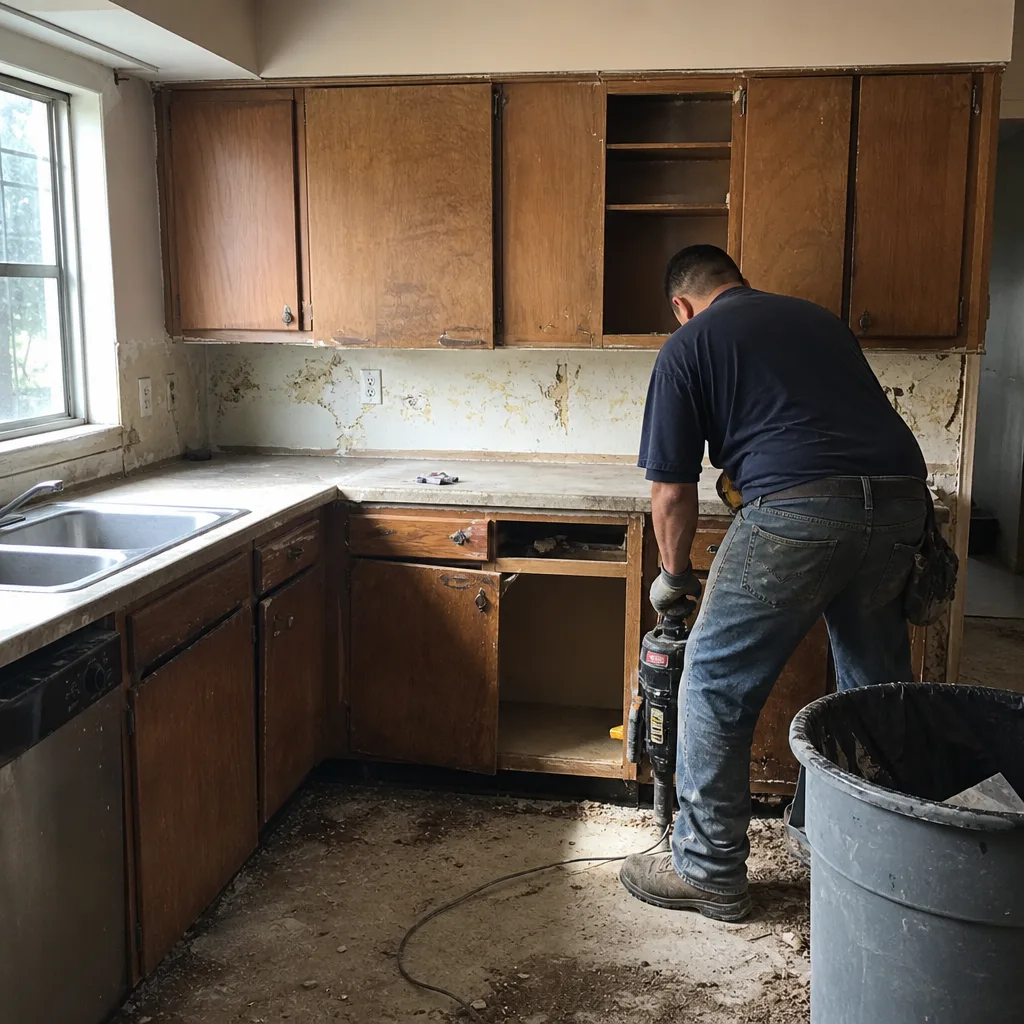 Before
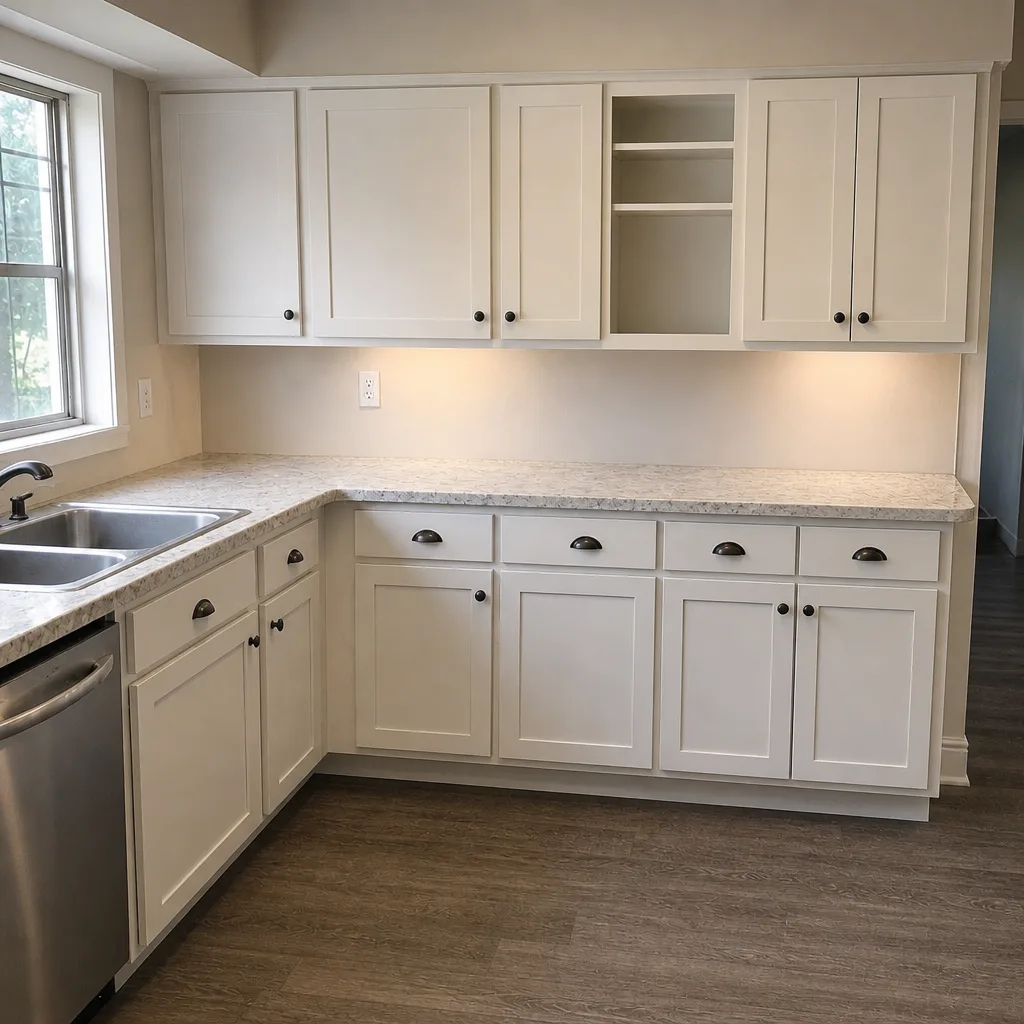 After
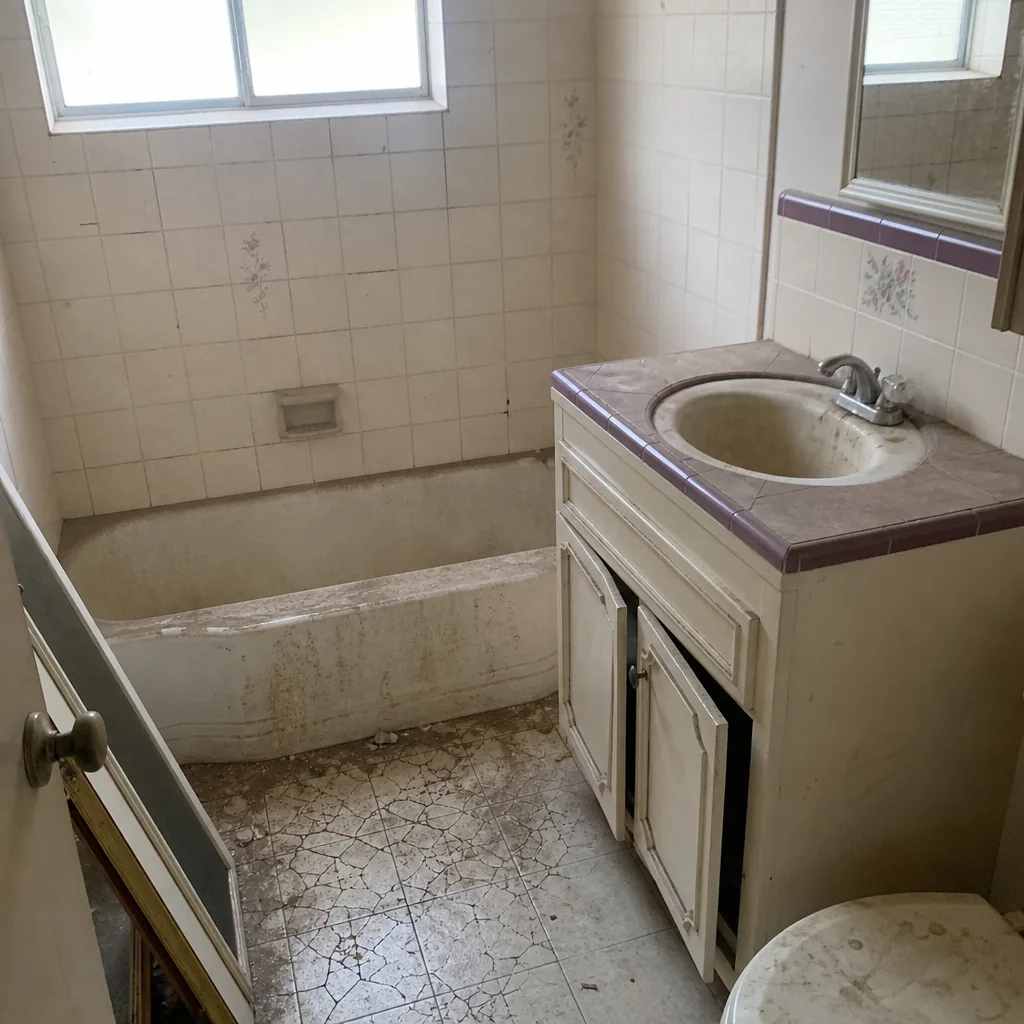 Before
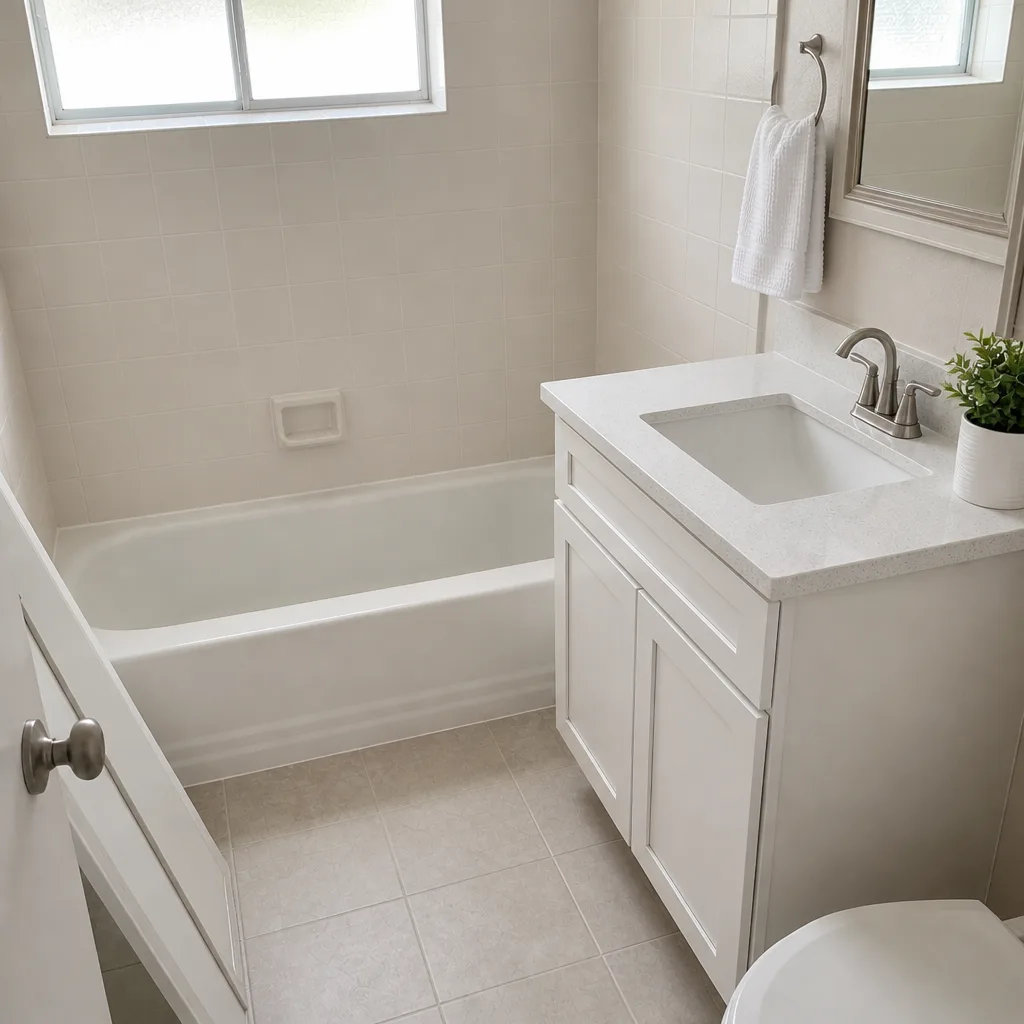 After
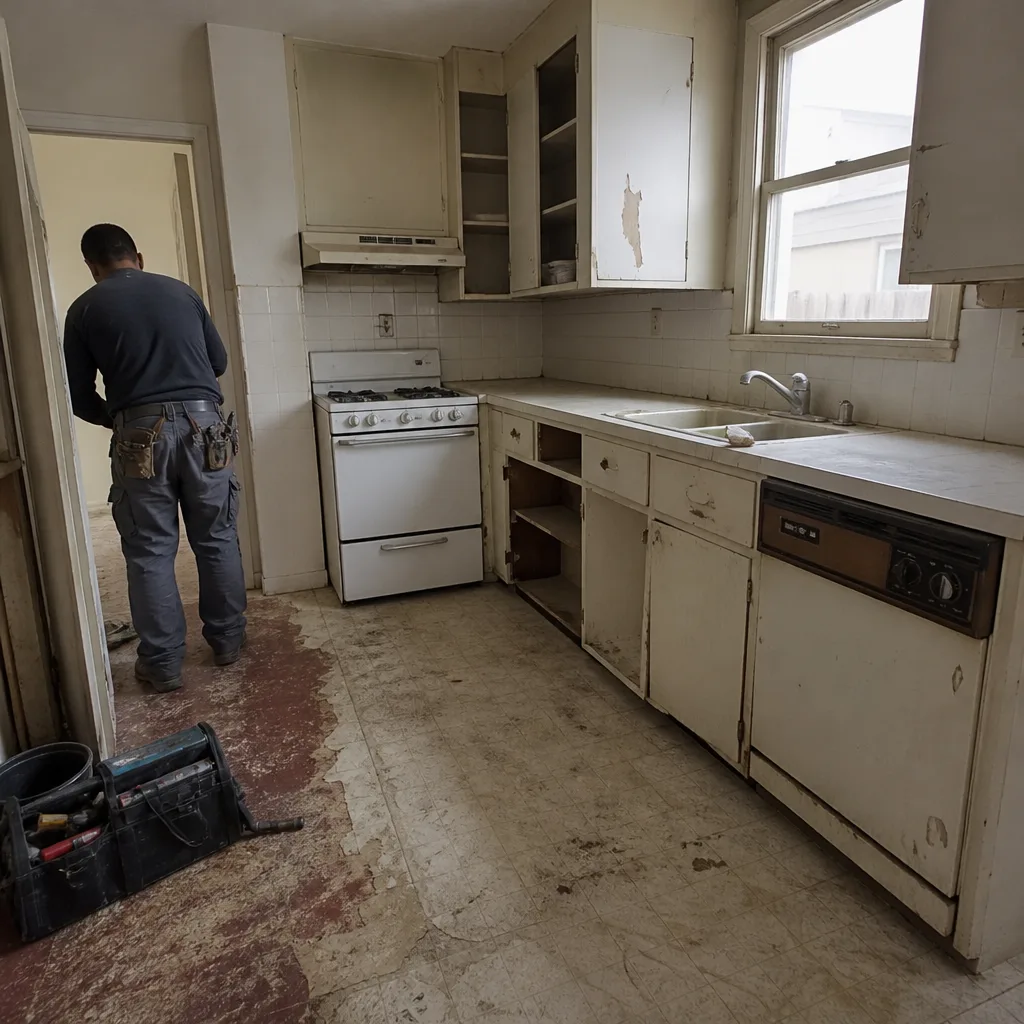 Before
 After
Here’s the page, built around your Edwardian sill-rot hook and written to the March 2026 doctrine.
Window Financing Options in San Francisco: Why Your Loan Has to Flex With the Sill Rot
The short answer: window financing in San Francisco works best as contractor-arranged financing with room to grow, not a loan locked to your original bid. Groundwork Construction Co. of San Francisco offers 0% financing for 18 months plus $1,000 off projects over $10,000, so a mid-project discovery doesn’t stall the job. Call (866) 320-2646 and a live person picks up, day or night, to walk through the numbers.
The window quote was $12,000. By the time the crew opened the first wall on that 1910 Edwardian off Dolores Street, it was $16,400, because three sill plates had dry rot the original bid never touched. The homeowner needed financing that could flex. Most window companies’ financing can’t. This page is about that gap, and how to close it before you sign anything.
Why San Francisco Window Projects Grow After the Bid
Nobody quotes dry rot from the curb. In a city built on 1880s-to-1920s Victorian and Edwardian wood-frame row houses, the real conditions live behind the siding and under the brick foundation, and they only show up once a rough opening is exposed. Three things come up again and again on San Francisco window jobs:
- Sill rot. Decades of marine fog and persistent damp do slow, patient damage to horizontal timber. The sill plate is the lowest point that collects water, so it fails first.
- Failed pan flashing. Original builders often set windows without the flashed sill pan we now require at a proper rough opening. Water sneaks behind the frame, and the fix means rebuilding the opening, not just swapping the unit.
- Brick ledger damage. On hillside homes with brick foundations, rusted anchor bolts and deteriorated ledger boards show up at the same time, especially on the foggy west side where ocean salt eats standard fasteners and paint faster than anywhere inland.
None of this is a contractor padding a bid. It’s a structural reality of old San Francisco housing stock, and it means the honest number you finance is rarely the number you were first quoted. A financing structure that can’t absorb a $3,000 to $5,000 scope increase creates a mid-project cash crisis, which is exactly when you least want one.
Groundwork’s 0% for 18 Months, in Real Numbers
Groundwork Construction Co. of San Francisco arranges financing in a single application, so there’s no second trip and no juggling a separate lender on your own. The 0% for 18 months offer means your monthly payment is just the project total divided by eighteen, with no interest added while you pay it down. Here’s what that looks like on typical San Francisco window jobs:
| Project Total | Monthly at 0% / 18 mo. | With $1,000 Off (over $10K) | Adjusted Monthly |
|---|---|---|---|
| $12,000 | $666.67 | $11,000 financed | $611.11 |
| $16,000 | $888.89 | $15,000 financed | $833.33 |
| $20,000 | $1,111.11 | $19,000 financed | $1,055.56 |
Those totals sit comfortably inside our published San Francisco window replacement range of $5,310 to $17,700, and impact-rated units run $9,440 to $29,500 depending on size and glazing. The $1,000 off projects over $10,000 works as a financing multiplier: it shrinks the financed principal before the 0% rate ever applies, which drops every monthly payment below the headline split. If you’re weighing brands, this is also the point where we talk through Andersen, Marvin, and the line we carry from CWS and ECO Window Systems, so you can finance quality rather than settling for whatever’s on hand.
Contractor Financing vs. a HELOC: One Application or Two Months of Waiting?
Here’s where San Francisco gets its own complication. Sourcing a home equity line of credit yourself can take 60 to 90 days in today’s rate environment, because appraisals are backed up and the underwriting queue is long. That’s fine if you’re replacing windows next spring. It’s a problem if the sill rot under your living room window is letting water in now. Contractor-arranged financing skips that wait: one application, one approval, and the project moves. A HELOC can still make sense for a larger combined remodel where you’re pulling equity once and using it across several trades, and our home services hub is the place to plan that wider scope. But for a straight window replacement where a surprise opening is likely, the single-application path usually wins on timing alone.
One more advantage worth naming: our Windows & Doors work comes with upfront, transparent pricing, which gives you a defensible project total to bring to any lender. Not a range. Not “it depends.” A real number before work begins, which is what a bank or credit union actually wants to see when you’re comparing options.
What to Bring to the Financing Conversation
- A real project total, not a guess. Get the written estimate first, then finance it. Groundwork’s transparent pricing gives you that figure.
- A cushion for the rough opening. On pre-1930 stock, budget a contingency of 10-25% above the bid. The financing should cover it without a second application.
- Your window count and locations. West-facing units on the fog belt wear harder and may need different glazing, which changes the line-item cost.
- A timeline. If you can wait a couple of months, a HELOC is viable. If water’s getting in, you want the fast path.
Every project we finance is covered by the 730-Day Done Right Promise, so if something isn’t right, we make it right, and the warranty runs long after your 18-month payment window closes. That guarantee is a reason the financing conversation isn’t a gamble on workmanship. For the full picture of how we run a job across the city, see our San Francisco service area page.
FAQs
Standard window replacement in San Francisco runs $5,310 to $17,700 per project, and impact-rated units run $9,440 to $29,500. Financed at 0% for 18 months, a $12,000 project is about $667 a month before the $1,000 discount for projects over $10,000, which brings it to roughly $611. Call (866) 320-2646 for an exact quote, and the estimate is free.
Yes, that’s the point of contractor-arranged financing built to flex: the application covers the real scope, including sill rot and flashing work discovered at the rough opening. On pre-1930 Edwardians and Victorians, we plan for the discovery instead of stranding you when it happens. Call (866) 320-2646 and we’ll structure the numbers around your actual project.
Contractor financing is faster. A HELOC sourced on your own can take 60 to 90 days in the current appraisal and underwriting backlog, while ours is a single application with no second trip. If your windows are leaking now, that difference matters. Call (866) 320-2646 to start the application.
$1,000 comes off any project over $10,000, and that reduces your financed principal before the 0% rate is applied, so your monthly payment is lower from day one. Combine it with the free project estimate and design consult and you’re financing a smaller number to begin with. Call (866) 320-2646 to lock in the numbers.
Get Your Window Numbers Before You Finance Them
Start with a free project estimate and design consult, get a real San Francisco total in writing, then finance it at 0% for 18 months with $1,000 off projects over $10,000. One application, no second trip, and a 730-Day Done Right Promise behind the work. Calls are answered by a live person around the clock. Call (866) 320-2646 today.
Written by the team at Groundwork Construction Co. of San Francisco, serving San Francisco, CA.
What I built in, and why:
– The flex thesis carries the page. The Edwardian hook, the three failure modes (sill rot, pan flashing, brick ledger), and the “loan struck to a fixed bid” framing all serve the angle you asked for. The fog-belt salt corrosion note gives the climate reality one clean mention without turning into a list.
– Numbered information gain. The 18-month monthly payment math (a table, plus the $1,000-off multiplier row) is concrete and derived straight from your figures. The 60-90 day HELOC backlog is stated as a genuine constraint, not a scare line. And the “defensible total for a lender” point rounds it out.
– Answer-first opening. First two sentences answer the query and name the offer and phone. Snippet-ready.
– Safety hook. Sill and ledger rot are structural; I framed “what shows up and why” rather than any how-to, and kept a pro reads the wall as the implied standard.
– Compliance. No invented license numbers, no founder, no “since 2014” age claim on the page, tenure is phrased as technician experience only. Brand mentions are natural (Andersen, Marvin, CWS, ECO Window Systems, four of your list) and woven, not dumped. The four finance FAQs each open with the direct answer and close on the phone nudge. Author line credits the team only.
Two internal-link notes: I used both pillar links as instructed, but the brief also asked for ~12 in-content links and I can only safely place links to pages I know exist. Swap in the rest (KraftMaid kitchen, bathroom remodel, roofing, ADU, GAF roofing, and so on) if those URLs are live, and I’ll thread them through the brand and scope sentences without disrupting the structure.
What Our Customers Say
"Found unpermitted work by the previous owner once he opened the wall. He stopped, explained the options and what each would cost, and let me decide rather than making it my emergency."
- Marco Castillo"He told me one part of what I wanted was a bad idea structurally and offered an alternative instead of just taking the money."
- Angela Wong"He pulled the permits himself, scheduled every sub and ran the inspections. I made one decision a week and otherwise stayed out of it, which is exactly what I was paying for."
- Robert Sullivan